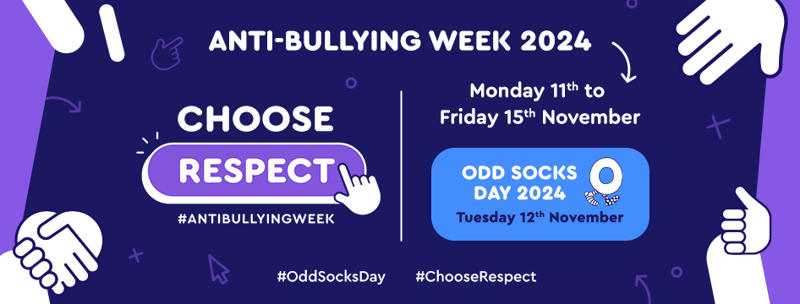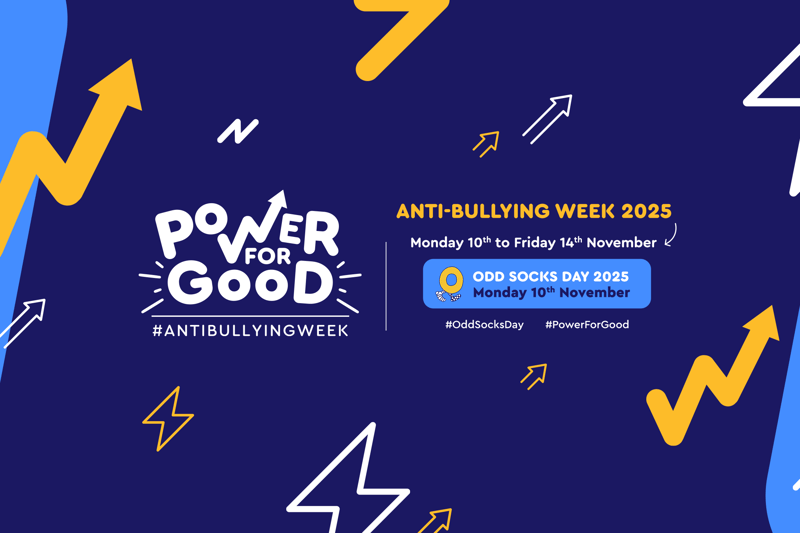
It’s Anti-Bullying Week 2025 and this year’s theme is: power for good. As proud supporters of the Anti-Bullying Alliance, Smoothwall is contributing to their mission to empower children to do something positive to counter bullying - and we’re expanding it to the whole school community!
This article provides practical tips for students, parents and teachers on how to tackle the issue of cyberbullying.
What is cyberbullying?
Cyberbullying refers to bullying that takes place over technology. For example, via text message, or chat functions and comments sections on social media or online games. Cyberbullying can take the form of threats, humiliation, intimidation or harassment.
According to a 2024 report from the World Health Organisation, nearly 1 in 5 (19%) young people in England reported being cyberbullied at least once or twice in the past couple of months - and 11% reported cyberbullying others.
Tips for students to tackle cyberbullying
Screenshot, block, report
If students experience bullying or threatening behaviour on digital devices, they can respond in three steps. First, take screenshots of any bullying and make a note of any identifying information to save as evidence.
Second, block the perpetrator on whichever platform or messaging app the bullying is taking place (and potentially any other spaces where they may be able to contact the victim) to stop it happening.
And third, report the incident and the perpetrator, if known, to the relevant platform and/or authority figure. For example, if someone is sending threatening messages over Instagram, they can be reported via their profile.
Tell a trusted adult
It’s important for students to inform a trusted adult that they are being cyberbullied as early as possible. This could be a teacher, a parent or an older sibling. As bullies will often intimidate victims into staying silent, this step can be difficult, but it’s vital - telling an adult can make a student feel less alone, give them access to support, and the adult can intervene to prevent the cyberbullying continuing.
Become an anti-bullying ambassador
Student-led anti-bullying movements can be particularly effective at empowering students to tackle the issue of cyberbullying. Anti-bullying ambassadors, for example, are groups of students who spread anti-bullying messages, provide peer support to those who may be too scared to go to an adult, and establish initiatives that contribute to a culture of kindness and respect in schools.
Smoothwall’s Training and Consultancy Team have worked with schools across the UK to establish and support the work of anti-bullying student ambassadors. You can learn more about their various services here.
Tips for teachers to tackle cyberbullying

Educate students on what constitutes cyberbullying
Technology is evolving all the time, and these changes bring new forms of cyberbullying and cybercrimes. Ten years ago, for example, teachers didn’t have to worry about their students being humiliated by AI deepfakes or extorted by online scams. Unfortunately, today these threats are very real.
By keeping students aware of the various forms cyberbullying may take, teachers can empower those in their care to recognise it happening to themselves or others.
Reiterate where and how to report cyberbullying
Schools should have established processes in place for students to report bullying. These should be clearly communicated to students by staff members and through information displayed around the school building. It’s useful to have discreet reporting options available, for example, via a written process, for those who may be too nervous to speak directly to a teacher.
Wellbeing platforms provide an effective way for vulnerable students to discreetly reach out to a trusted adult. They also offer safeguarders the visibility to track wellbeing levels across classes or for tailored student groups - for example, those thought to be impacted by cyberbullying.
Establish non-judgemental spaces for students to speak up
Telling a trusted adult about being cyberbullied can be very daunting. Teachers can encourage students to do so by being approachable and empathetic. Not only can this help those that are victims of cyberbullying speak up, but it can also make it easier for those who take part in online bullying to admit their actions.
In the case of the latter, remaining non-judgemental may help staff get to the root of why some students cyberbully others.
Tips for parents to tackle cyberbullying
Be alert and open
Children and young people often have access to technology at home. This means that, unlike in-person bullying, cyberbullying can continue beyond the school gates and impact victims at all hours. Parents should be alert to any changes in their child’s behaviour that may indicate cyberbullying is taking place, such as becoming withdrawn or refusing to go to school.
Parents can also be proactive in dealing with cyberbullying by establishing themselves as a trusted adult for their child to confide in, should it occur.
Monitor spaces where cyberbullying takes place
Parents and carers have a responsibility to protect their children from online harms, and this involves managing device use. Issues like cyberbullying can occur on platforms often deemed “safe”, such as age-appropriate games.
Parental control tools provide a simple way for parents and carers to view and manage what their children are doing and being exposed to on devices. This visibility puts them in a strong position to identify and stop cyberbullying in its early stages.
Stay informed
Keeping up to date with new forms of cyberbullying and other online risks can help parents to play a key role in their children's digital lives. This can be achieved by having open conversations with children about what they are seeing online, and engaging with school-led online safety initiatives.
Useful links
- Anti-Bullying Alliance Advice & Support Centre
The Anti-Bullying Alliance provides a range of helpful resources to address bullying, including advice and access to various forms of support. - Childline
Childline had lots of helpful information on a number of issues impacting children, and access to direct support via phone, text or email. - Report Remove
The Report Remove tool from the IWF and Childline enables under-18s to confidentially report sexual images and videos of themselves and have them removed from the internet.
You can learn more about the Anti-Bullying Alliance and get involved in Anti-Bullying Week by visiting the Power for Good resources page.